Gear
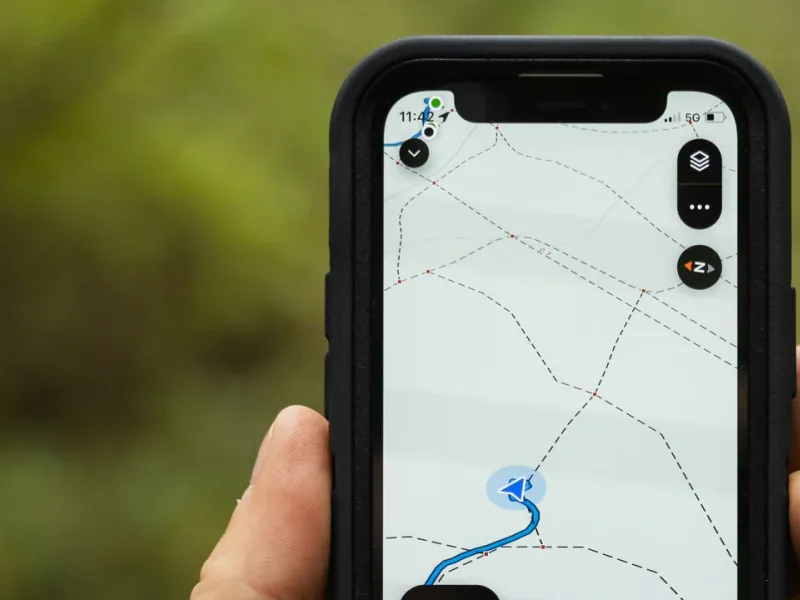
How to Keep Your Phone Useful on a Weekend Outdoors
Download the trip, simplify the phone's jobs, protect its battery, and keep navigation and emergency plans from depending on one fragile device.
4 min readFind an answer
Search every published guide by question, subject, or contributor.
58 articles
Download the trip, simplify the phone's jobs, protect its battery, and keep navigation and emergency plans from depending on one fragile device.
4 min read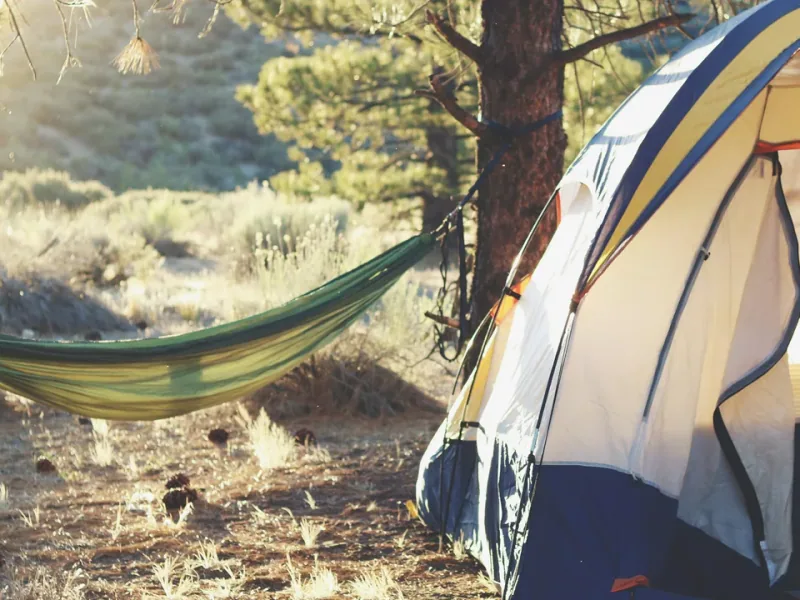
Choose shade and airflow before pitching, keep the fly configuration weather-ready, and let the sleep system release heat instead of trapping it.
4 min read
Five measured desserts for a stove, skillet, or cold cooler—each with a short ingredient list and a no-flame fallback when restrictions require one.
4 min read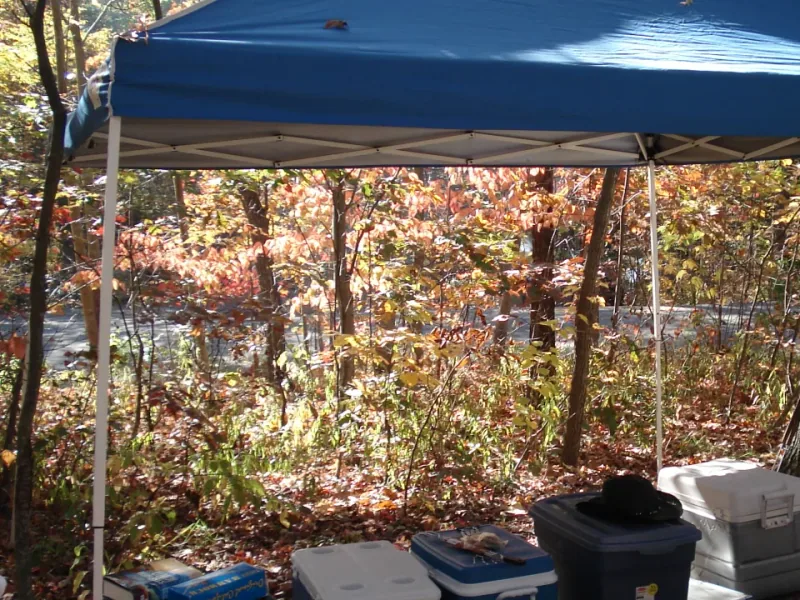
A cooler works best when cold food goes into a cold box, large ice provides staying power, small ice fills gaps, and the first meal is not buried beneath Sunday breakfast.
4 min read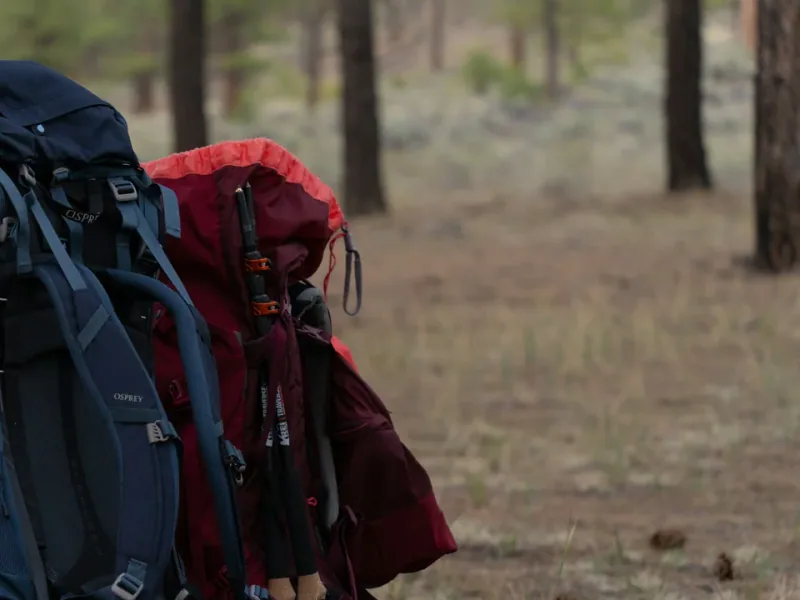
Assign complete shared systems by name, divide weight and bulk deliberately, and keep each person's critical personal gear truly personal.
4 min read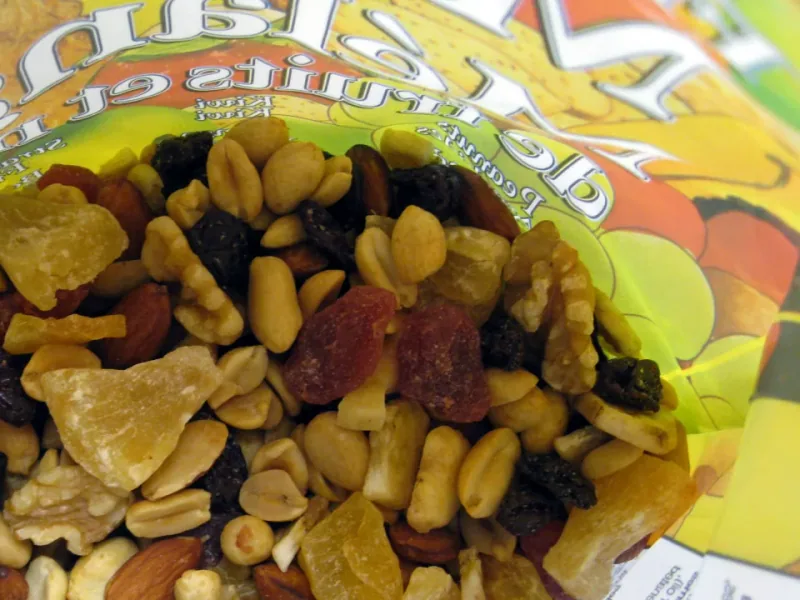
The best trail snack is reachable, tolerable while moving, and appealing after hours of repetition. Pack a mix of textures and flavors instead of betting the day on one kind of bar.
5 min read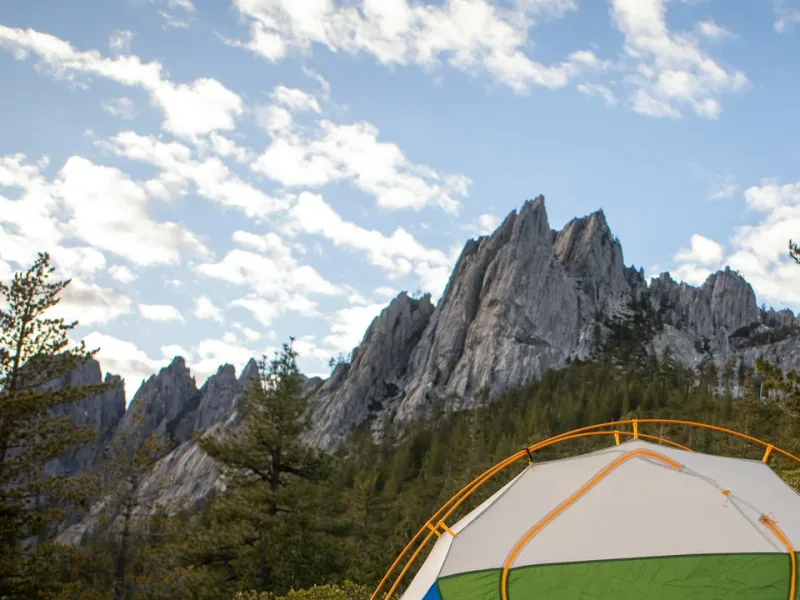
Work with the designated surface: protect the floor, choose anchors that match the ground, and tension the fly without rebuilding the campsite.
4 min read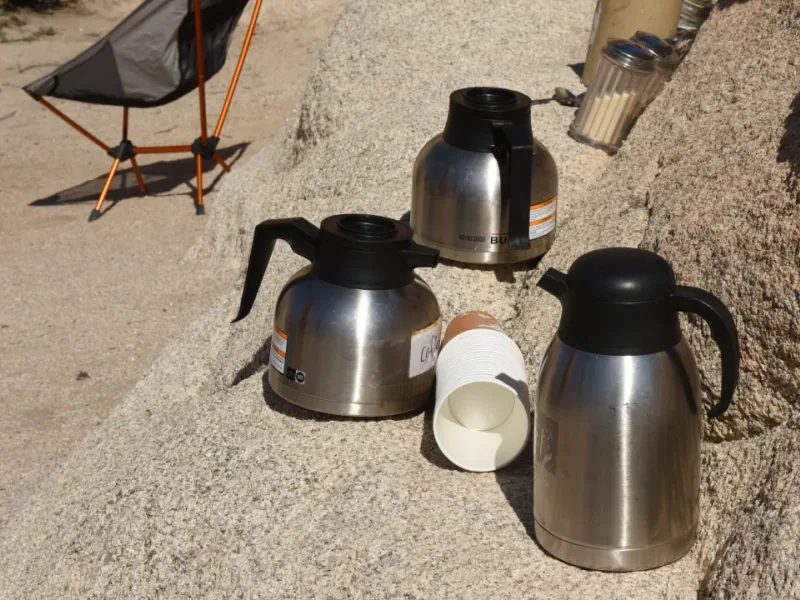
Camp breakfast should match the morning: leisurely, cold and wet, or ready-to-leave. Choose the cleanup burden first, then the menu and coffee ritual.
5 min read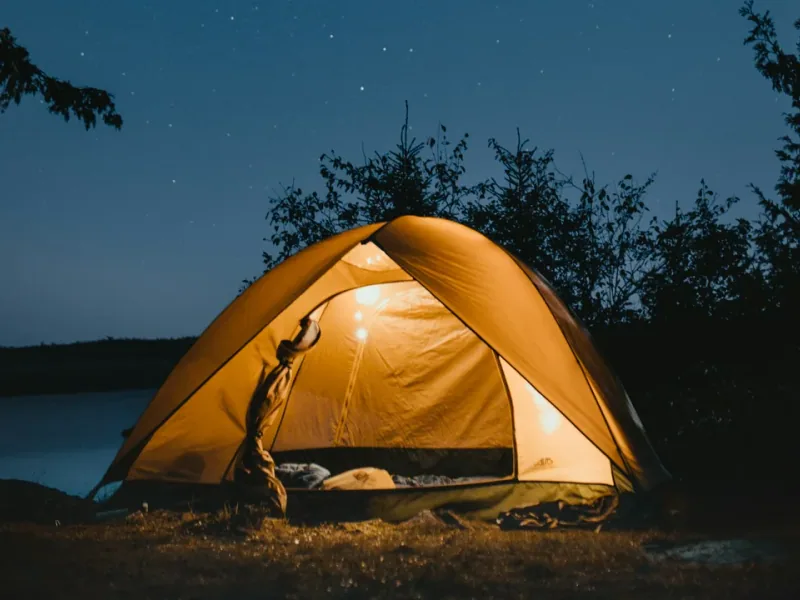
Plan the evening around a legal cooking method, warm layers, useful light, and one or two activities; a fire can be pleasant without being the campsite's operating system.
4 min read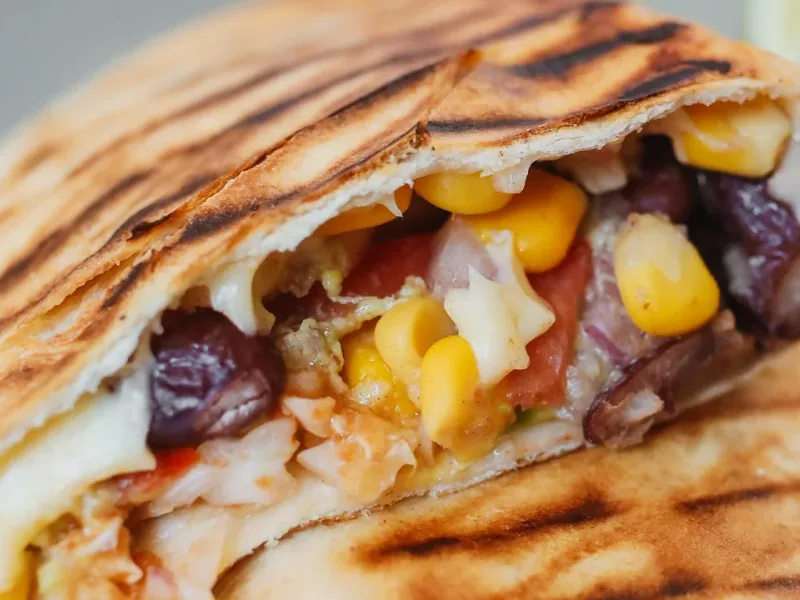
Five planned meals are easier than a cooler full of possibilities. This menu does the chopping at home, uses one pan at a time, and finishes with a breakfast that will not hold checkout hostage.
4 min read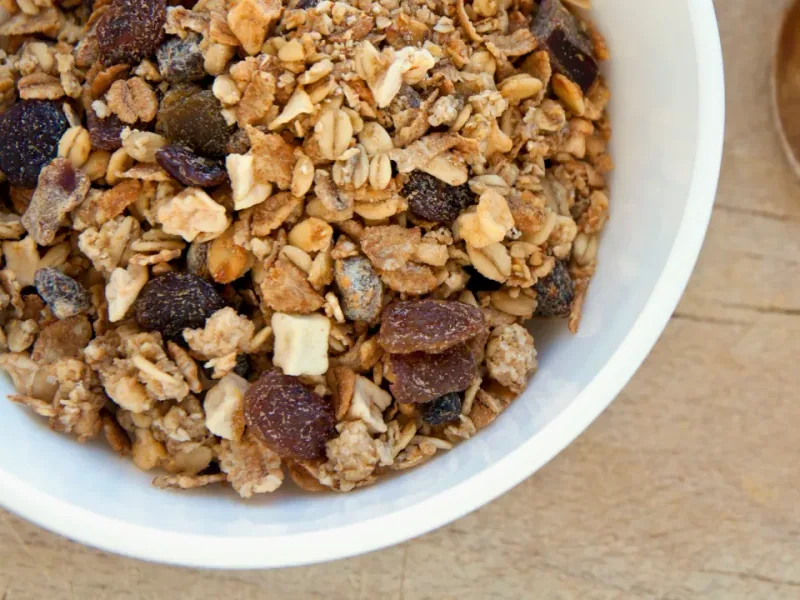
A satisfying plant-based trail dinner needs more than removing meat. Give it a quick base, a substantial bean or soy component, enough richness, and something bright or crunchy.
5 min read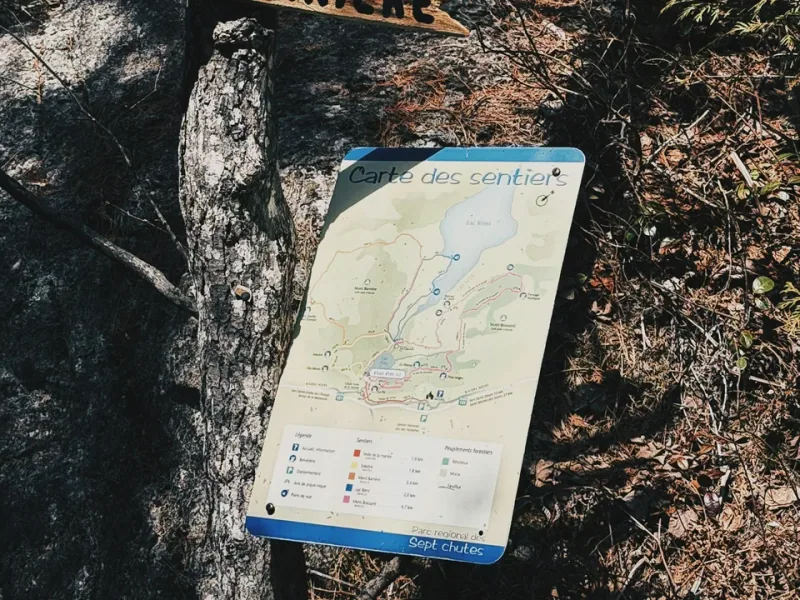
Translate distance, elevation, surface, exposure, navigation, and current conditions into the hours and decisions your particular group will face.
4 min read
Freeze-dried entrées are convenient, not compulsory. A regular grocery store can supply short-trip meals if you select for shelf stability, simple preparation, and food you actually like.
8 min read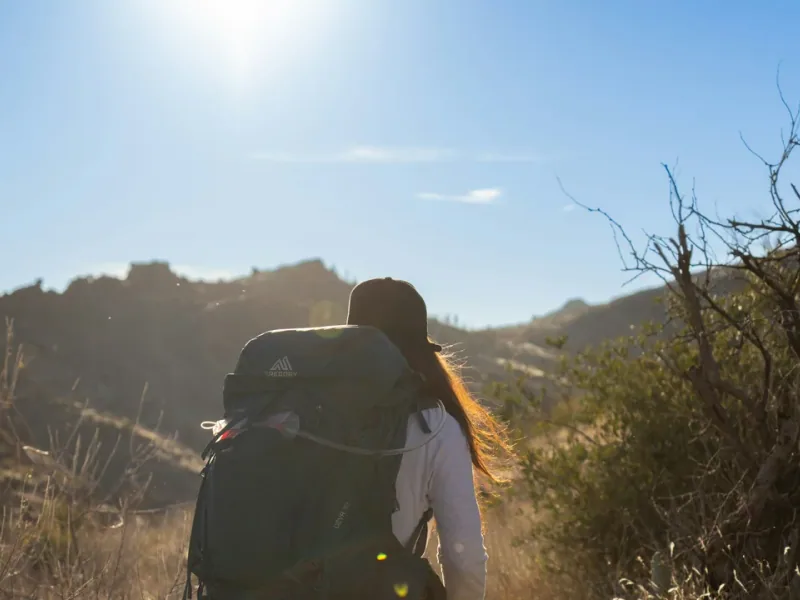
Keep one small morning lane open while the dry sleep system disappears first, breakfast finishes, and shared gear returns to its assigned pack.
4 min read
Skipping the stove cuts fuel and setup, but it does not cancel food-safety rules or guarantee you will enjoy cold dinners. Build a varied menu from foods you already tolerate.
7 min read
Build the kitchen from a written menu, then bring one complete way to cook, serve, clean, and store that food—nothing more ambitious.
4 min read
A fire ring does not grant permission, and a stove is not exempt from every restriction. Check the current rule for the exact land and date before planning dinner around flame.
4 min read
Load the car in the order camp will ask for things: arrival gear last, sleep systems together, and the first meal reachable without excavating the trunk.
4 min read
Responsible camping is less a collection of slogans than a series of small placements: where feet go, where water goes, where food goes, and what remains after the car leaves.
4 min read
A phone can display GPS position without cell service, but only if the map and route data are already stored on it—and only while the phone still works.
4 min read
A forecast icon is not the decision. Identify what can happen, where it will happen, whether your setup handles it, and what leaving would require.
4 min read
Rain camping is mostly an order-of-operations problem. Keep bedding sealed, build shelter before unpacking, and give wet gear somewhere to exist that is not the sleeping area.
4 min read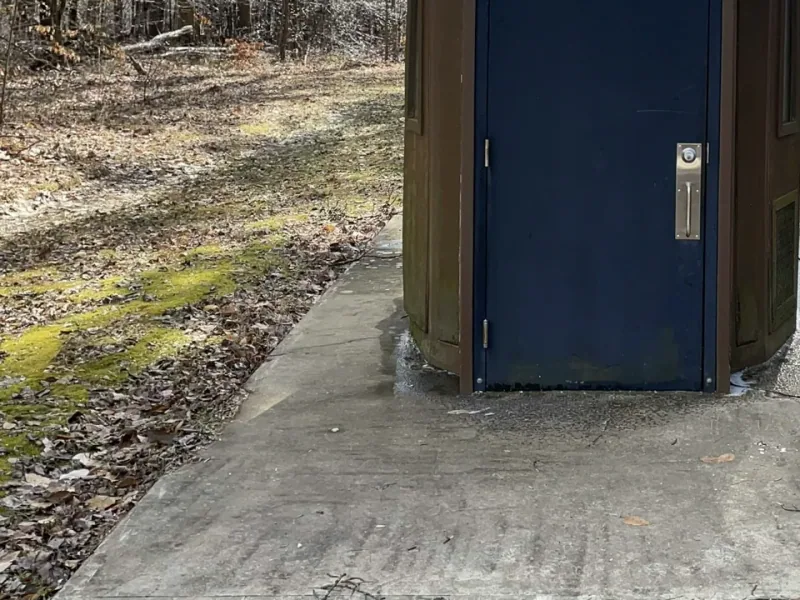
The destination decides the method. Learn whether toilets, catholes, or pack-out bags apply before the urge to know becomes immediate.
4 min read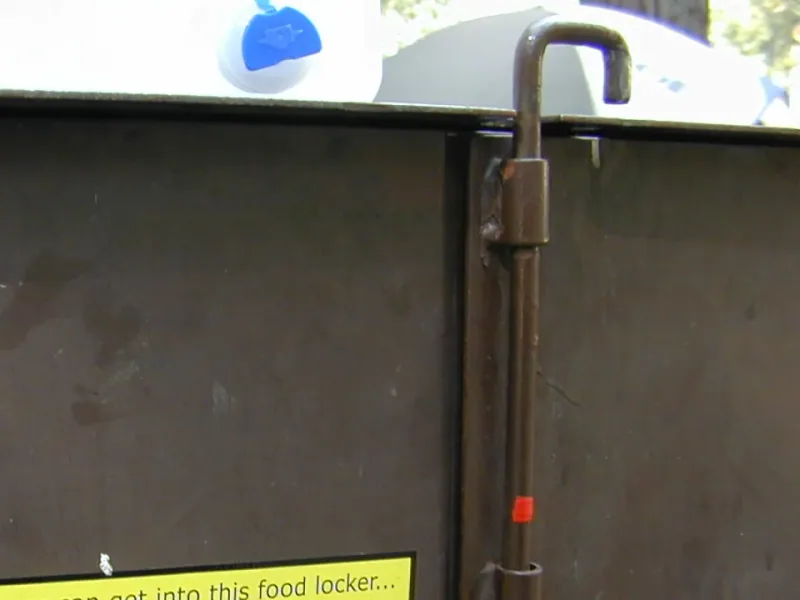
The right storage method is not a universal trick. It is the method required at your destination, used for every scented item rather than the groceries alone.
4 min read
Most backpacking filters are useful against protozoa and bacteria, but capabilities vary and many do not remove viruses, dissolved chemicals, or toxins. Verify water availability, local advisories, and the exact device specifications.
7 min read
Begin with your eyes and one recognizable part of the sky. A successful first session is not identifying everything; it is watching long enough for the sky to become more detailed.
4 min read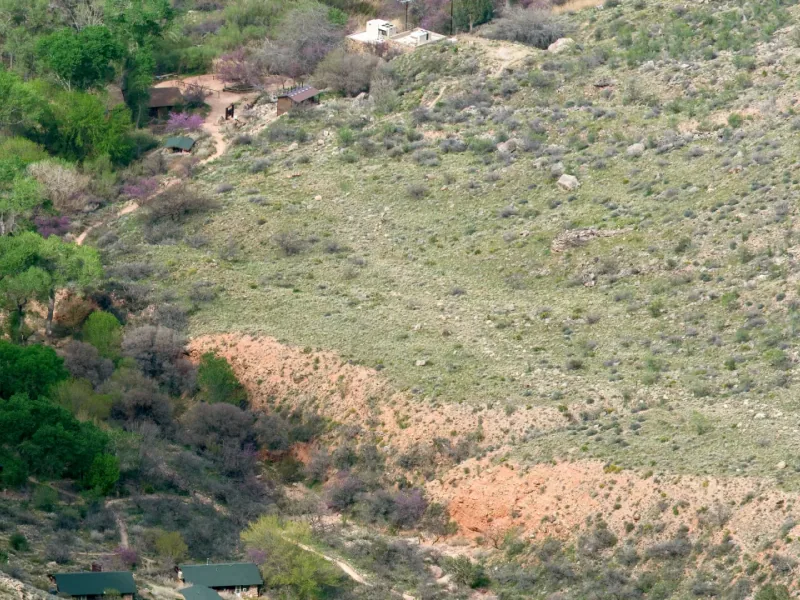
Posted rules come first; etiquette fills the gaps. Keep your sound, light, smoke, pets, vehicles, and belongings from spilling into someone else’s weekend.
5 min read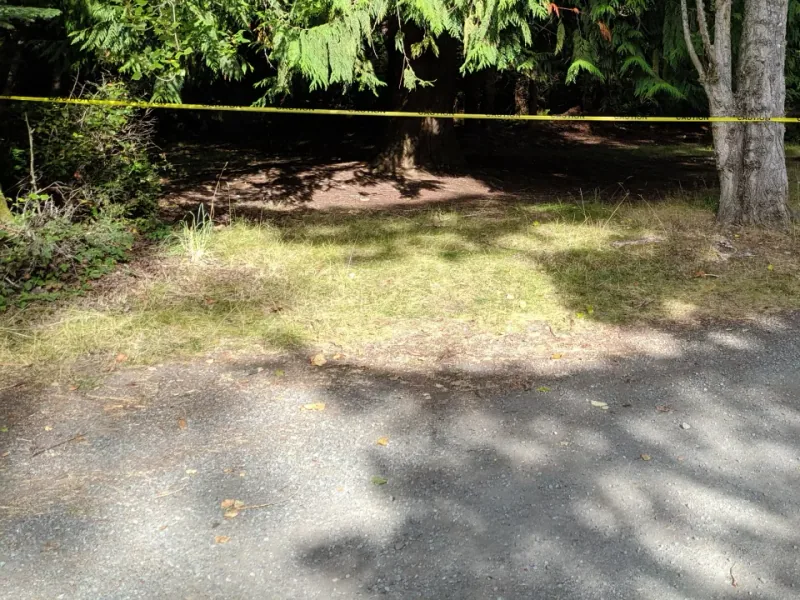
Confidence does not need to arrive before the trip. It can be built from a tent pitched alone at home, a solo day visit, and one deliberately ordinary night near help and familiar roads.
4 min read
A dog does not need a miniature expedition. A good first trip is a legal campsite, a familiar bed beside familiar people, short activities, and a simple way to keep food, water, leash, and waste organized.
4 min read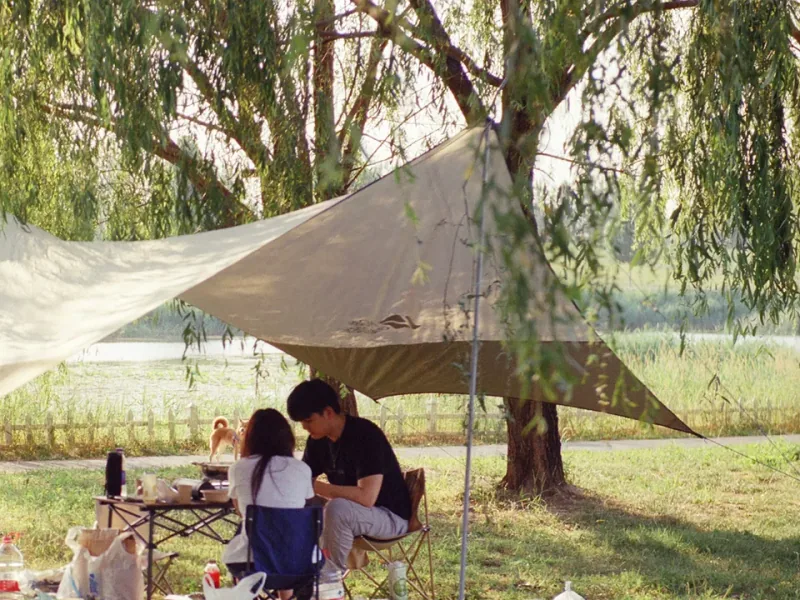
Once the camp and dry bedding are secure, rain creates a different schedule. Choose activities that fit the shelter instead of trying to conduct the sunny itinerary beneath a tarp.
4 min read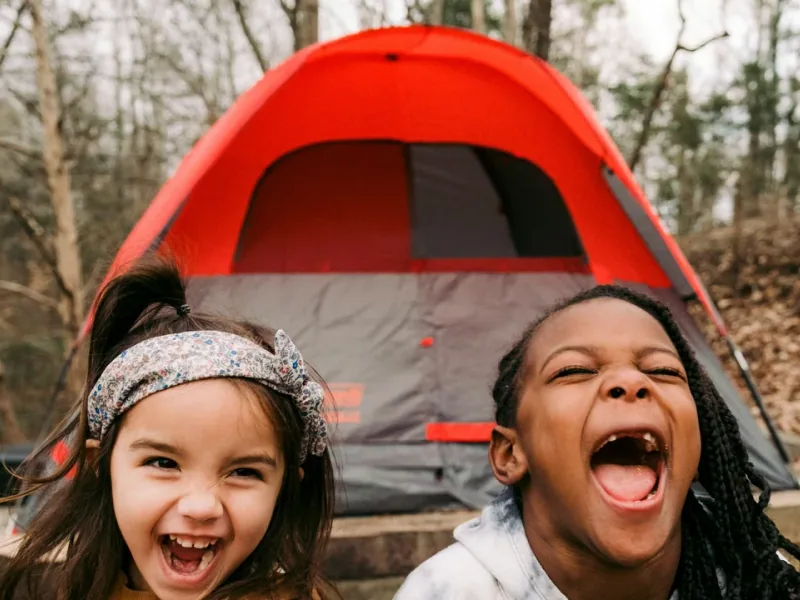
For a first family camp, convenience is a feature. Choose a short stay with known facilities, arrive in daylight, preserve familiar routines, and make adults explicitly responsible for hazards.
6 min read
A compact game earns its weight when it survives wind, cold hands, darkness, missing pieces, and the group's actual patience for learning rules.
7 min read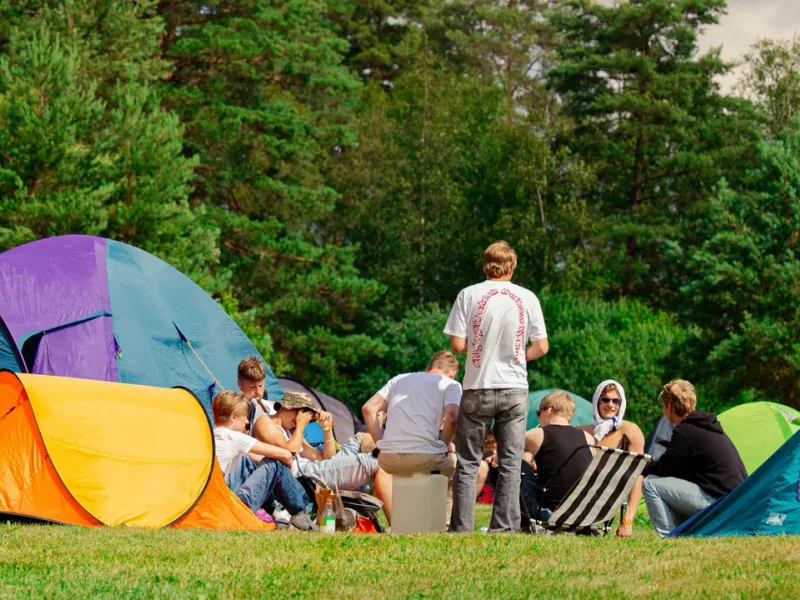
The best no-gear game can be explained before half the group wanders away. Choose one that fits the noise, space, ages, and attention currently available.
4 min read
A good trail dinner fits the trip as well as your appetite. These meal frameworks use familiar ingredients, give workable preparation directions, and make room for dietary swaps.
7 min read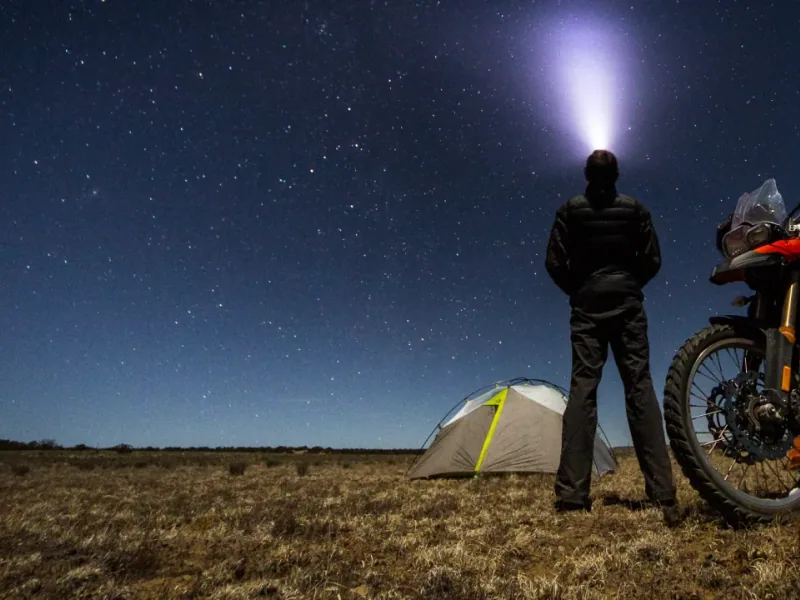
Maximum lumens describe one mode. A good camp headlamp is comfortable, predictable at low output, easy to operate with tired hands, and powered for the full trip.
4 min read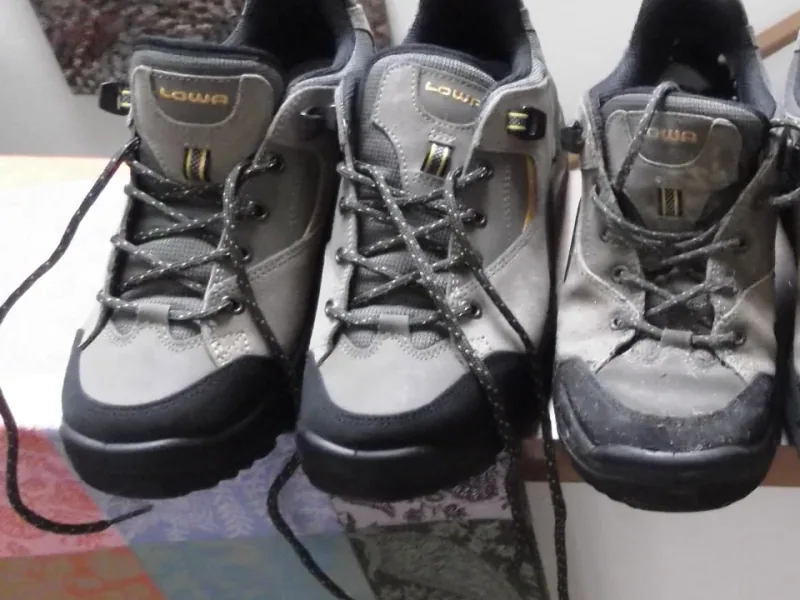
Boots offer more upper coverage and structure; trail runners trade some of that for lower weight, flex, and faster drying. Neither category can rescue a poor fit.
6 min read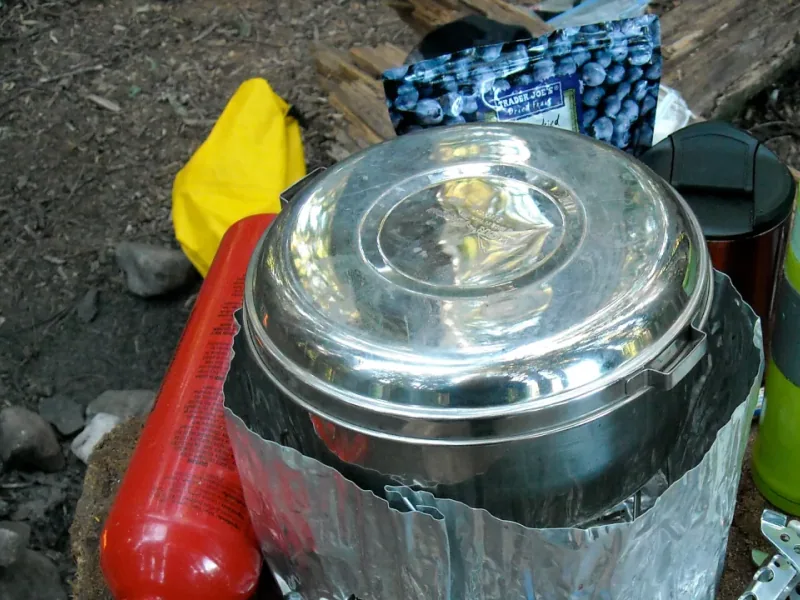
The right stove begins with the meal. A cup of boiling water, a wide pan at a low simmer, and a winter pot for several people ask different things of the burner beneath them.
9 min read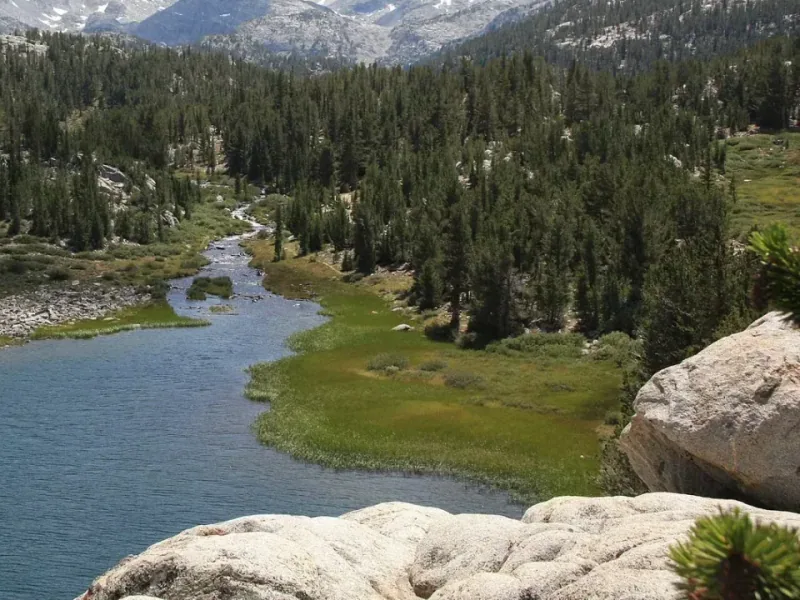
R-value measures resistance to heat moving through the pad into the ground. It does not predict a universal temperature, but standardized values let you compare insulation across compatible products.
4 min read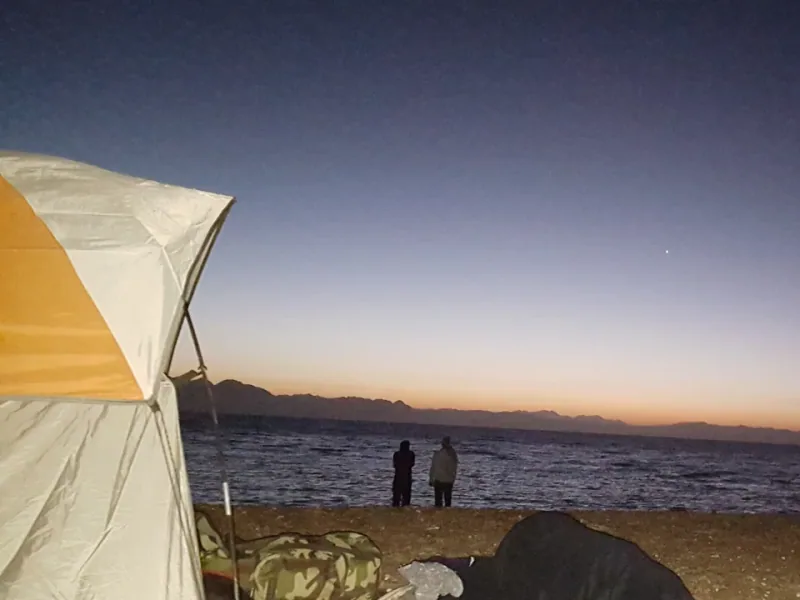
A bag makes enclosure and head insulation simple. A quilt removes compressed underside insulation and hardware, gaining freedom and lower weight while asking the sleeper to manage edges, straps, and head warmth.
4 min read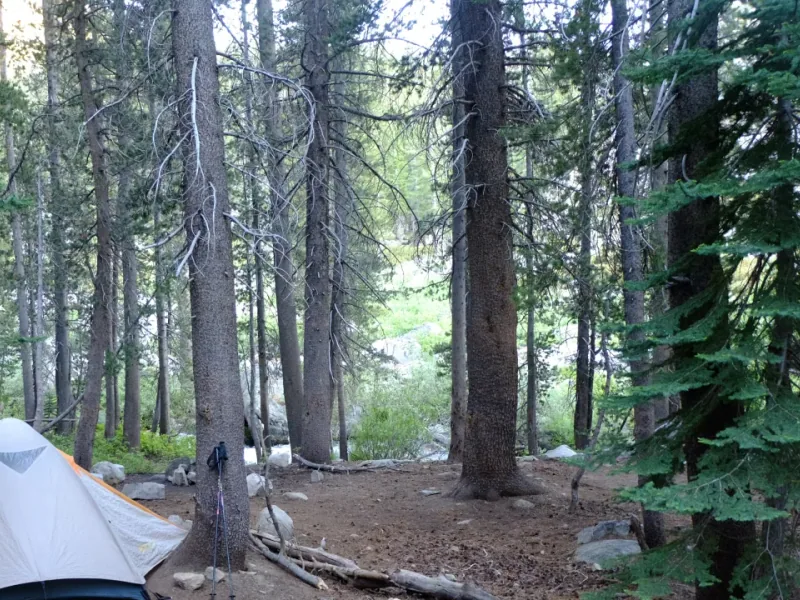
The best-value shelter is the least expensive one that fits the people, sites, conditions, and carrying plan. A low price attached to the wrong architecture is not a bargain.
4 min read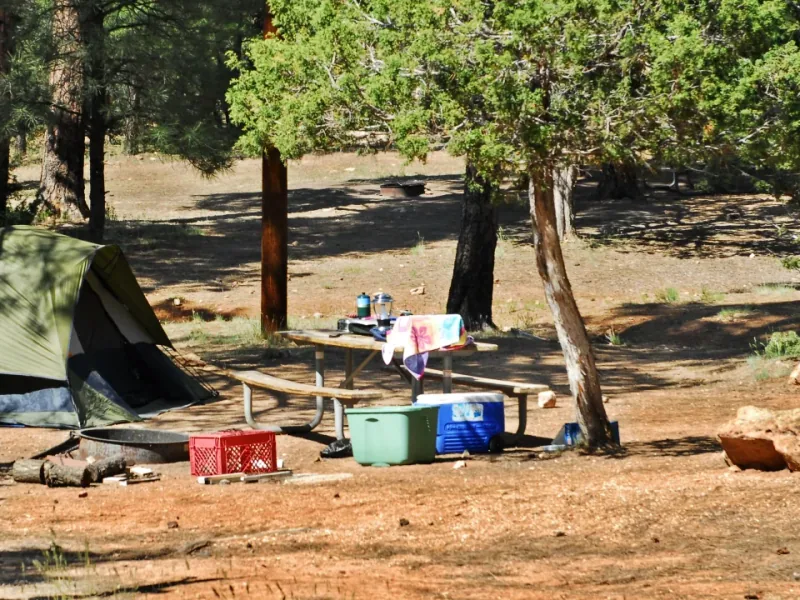
A beginner-friendly tent is one your group can fit, pitch, ventilate, and pack without turning the campsite into a group project nobody volunteered to manage.
8 min read
Choose a water filter by the job at the source: filling one bottle while walking, producing several liters at camp, drawing from a shallow pool, or adding virus treatment for a different kind of trip.
8 min read
Most difficult first trips are not caused by one dramatic mistake. They are several small assumptions that consume the same limited margin of time, energy, and attention.
5 min read
Your first backpacking day is a chain of small jobs, not one uninterrupted hike. Starting calmly and reaching camp early protects the part of the trip you have not practiced on a day walk.
4 min read
A permit confirms only the activity, date, place, route, and party printed on it. Reconcile the confirmation with parking, access, campsite, and local rules before treating the trip as booked.
4 min read
A backpack fits through the relationship between torso length, hip-belt position, shoulder wrap, and the packed shape. Adjustment cannot rescue the wrong frame size or a shifting load.
4 min read
There is no useful universal beginner mileage. Start with a loaded practice walk, then plan a route that leaves time and energy for water, navigation, and camp.
4 min read
Use existing gear when it fits inside the pack, survives the route, and leaves enough carrying capacity for water and food. Replace bottlenecks, not labels.
4 min read
Water inside a tent does not automatically mean the fabric failed. Breath, damp gear, cool fly fabric, splash, ground water, and true leakage leave different clues.
6 min read
Comfort comes from a level site, a bed that fits your body and tent, insulation below and above, dry sleep clothes, and a bedtime setup that works without searching in the dark.
5 min read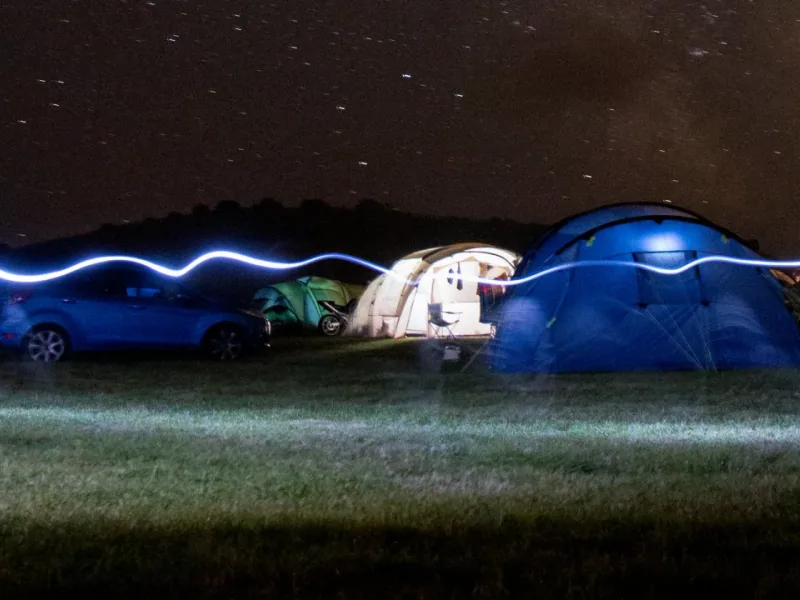
The three formats differ less in scenery than in what is guaranteed. A numbered campground site offers a defined place; a walk-in site adds a short carry; dispersed camping asks you to find a legal place and supply the missing infrastructure.
4 min read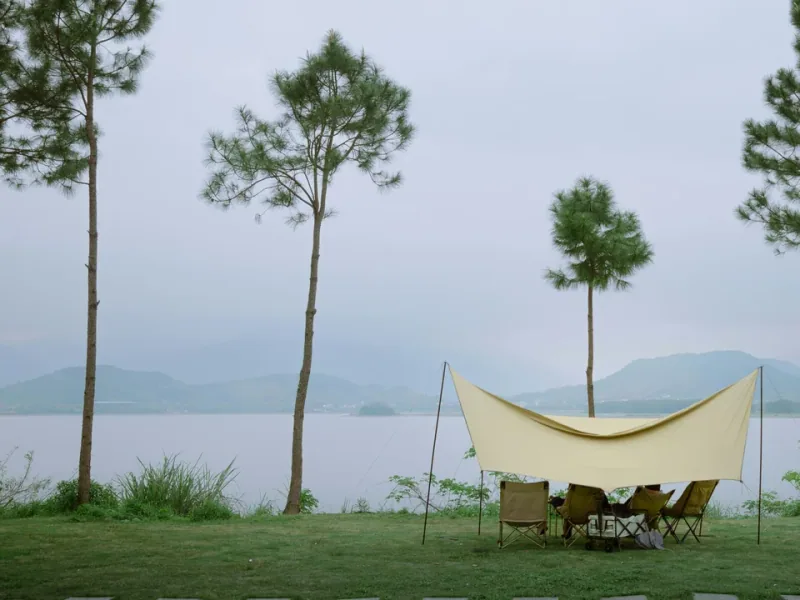
Price the reservation, travel, food, and missing gear separately. A first trip can be modest when large equipment is borrowed, or surprisingly expensive when a complete household is purchased at once.
4 min read
Carry every job the route requires once: shelter, sleep, clothing, water, food, navigation, light, hygiene, and small problem-solving. The list works when the systems connect.
5 min read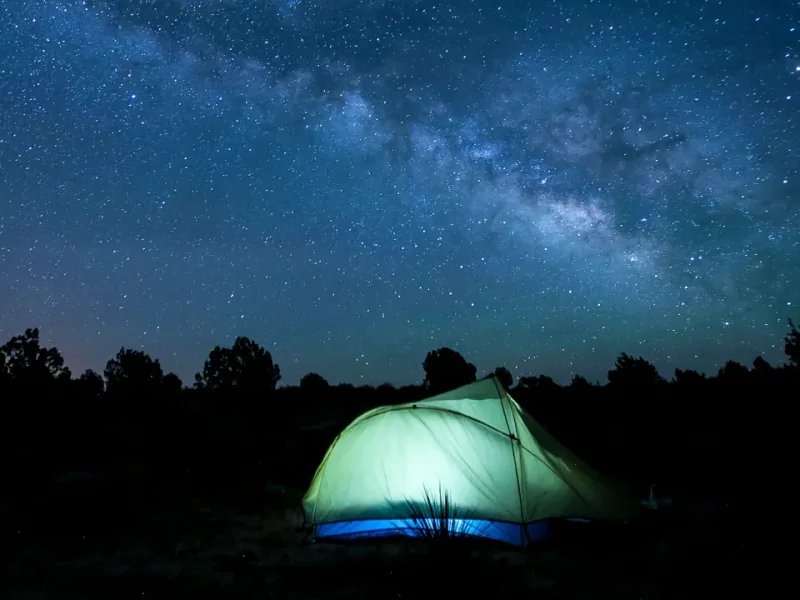
Choose the campsite before admiring the mileage. A forgiving first overnight has a clear legal destination, manageable loaded walking, known water, and an uncomplicated way back.
4 min read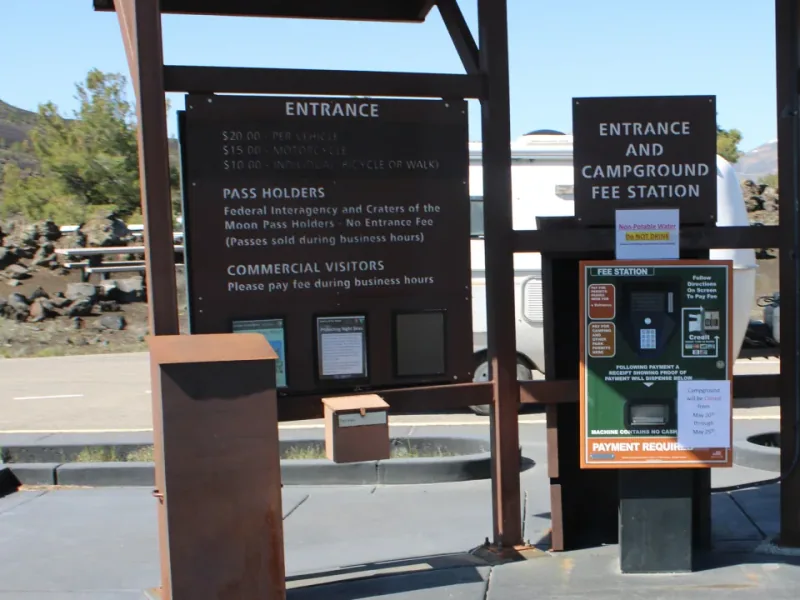
Check in, read the site, establish the tent and beds, then organize food and shared facilities. The order saves work because each early choice makes the next one easier.
4 min read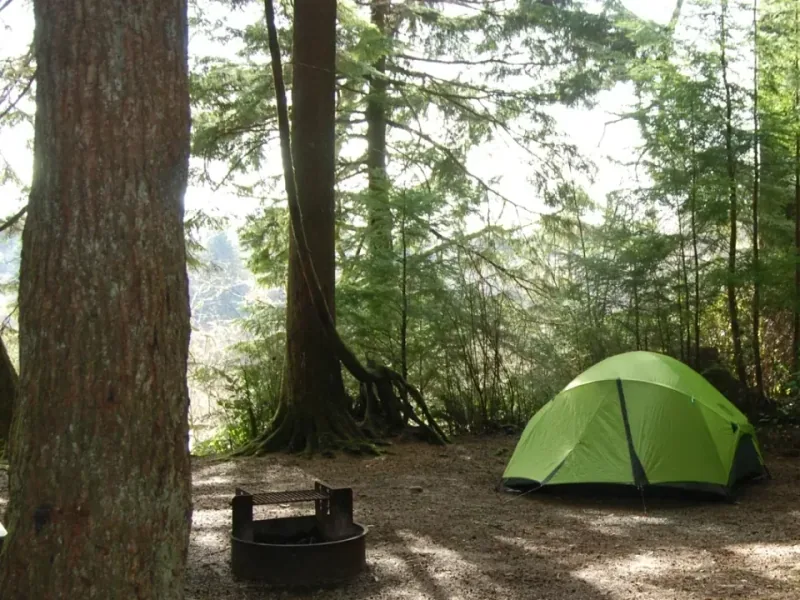
The best first campsite is not the wildest. It is legal, understandable, appropriate for your equipment, and forgiving when you discover that setup takes longer than expected.
5 min read
Pack for a specific campsite and forecast. Shelter, sleep, water, food, light, and clothing come first; the rest should earn its space by making that particular weekend better.
4 min read
Your first trip does not need to prove anything. One or two nights at a developed campground gives you room to learn how the tent, stove, sleep system, and campground rules work.
7 min readNo articles match that search yet. Try a shorter phrase or all categories.