Before entering the loop
Stop where directed and have the reservation name, site number, vehicle plate, and any required pass ready. Self-check-in instructions may ask you to occupy the assigned site and display a stub; staffed campgrounds may issue a map, parking tag, or food-storage reminder.
Ask about current water status, fire restrictions, checkout time, trash and recycling, wildlife activity, and emergency contacts. Rules can change after booking. If the office is closed, photograph or save the posted instructions without blocking the road.
Confirm you are in the right place
Campground loops and site numbers can be surprisingly subtle. Verify the post before unpacking and keep vehicles on the designated spur. Do not spread into a neighboring site or assume an apparently vacant table is shared space.
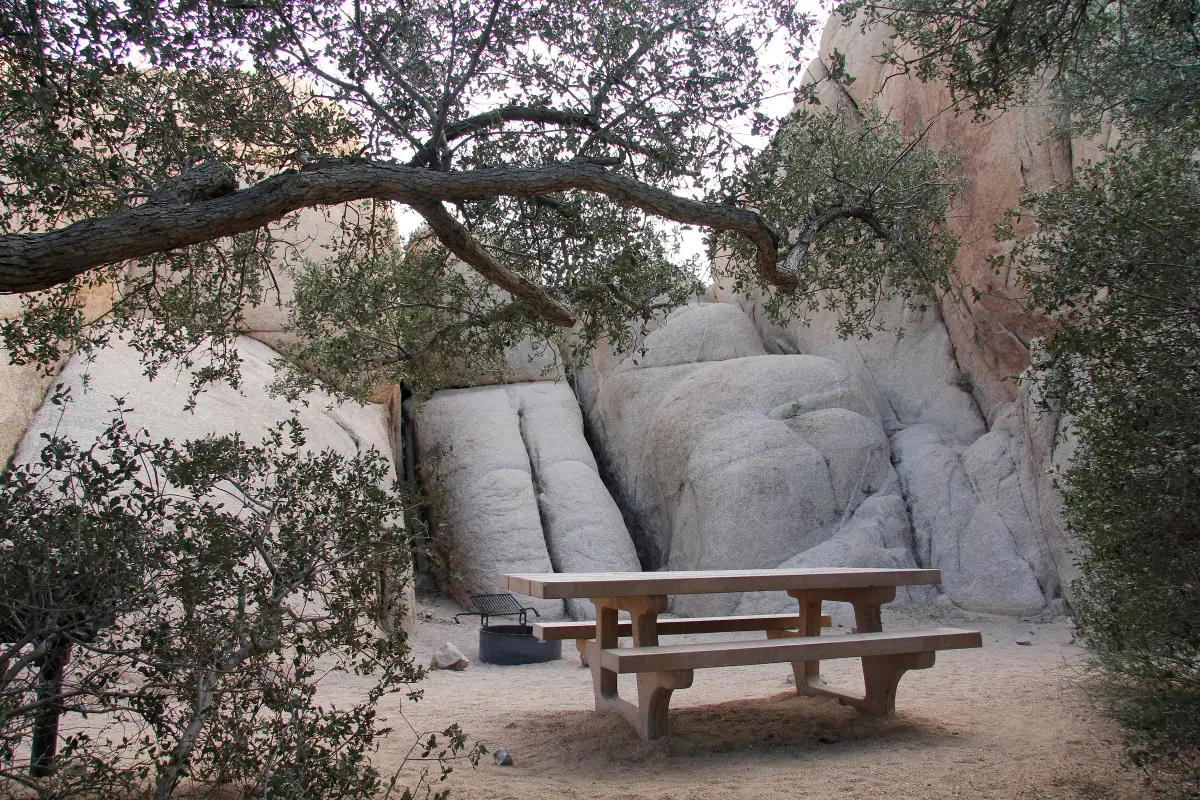
Walk the site. Note the established tent area, overhead branches, drainage, wind, sharp debris, cooking location, food locker, and paths to water and toilets. Report significant hazards or a clearly unsuitable assigned site instead of modifying vegetation or building a new platform.
Set up in a useful order
Keeping gear grouped by job reduces the explosion of bags around the site. Empty containers go back in the vehicle or tent vestibule rather than becoming windblown clutter.
- Pitch and stake the tent; add the rainfly if conditions or tent design call for it
- Build each sleep system and put dry sleep clothes inside
- Place headlamps, keys, medication, and water where they can be found
- Set up cooking only in the allowed area, away from tent fabric
- Secure food, trash, toiletries, and scented items as required
Learn the neighborhood before dark
Walk to the toilet, water point, trash area, and emergency information. Children should know the site number and remain actively supervised around roads, water, fires, and wildlife. Keep pets under the required control from the moment the door opens.
Introduce yourself briefly if neighbors are nearby, but respect their space. Note quiet hours and position lights so they illuminate your work rather than another tent. Use roads and public paths instead of cutting through sites.
Close camp for the night
Finish cooking and cleanup early enough to see what you are doing. Store every scented item, extinguish permitted fires completely, secure loose equipment, and make one last toilet trip. Vent the tent according to its design rather than sealing it against every draft and creating heavy condensation.
If arrival runs late: Skip elaborate cooking and nonessential setup. Use the no-cook meal, pitch quietly, keep headlights out of neighboring sites, and complete orientation in daylight the next morning.
Solve common arrival surprises
If another party occupies the assigned site, do not confront them or take a third site. Photograph the site post from a respectful distance and contact the host, ranger, office, or reservation support listed in the confirmation. A transposed number, delayed checkout, or booking problem needs an official resolution. Keep the roadway clear and the group together while one person handles it.
If the tent pad is smaller than expected, test the actual body of the tent without extending into vegetation or a neighbor’s space. Vestibules and guylines also need room. Never trim branches, dig a trench, move constructed borders, or create a new pad. Staff may identify an allowed orientation or alternate site; otherwise the shelter-site combination does not work there.
When potable water is posted unavailable, clarify whether all campground taps are affected and whether the operator names a safe replacement source. Do not treat an unmarked stream or decorative spigot as drinking water. Use carried water, obtain commercially packaged water where practical, or leave. Cooking and dishwashing also consume water, so a few full bottles intended only for drinking may not cover the group.
Late arrival changes priorities but not quiet-hour obligations. One person can hold a dim light while another pitches the practiced shelter. Skip hammering unnecessary hardware, vehicle-idling, music, and a complicated meal. Put loose gear inside the vehicle or tent rather than building the entire kitchen in darkness. The next morning, inspect the site in daylight and relocate through staff if drainage, branches, or boundaries are unsuitable.
- Keep confirmation and campground contacts offline
- Use staff to resolve occupancy or site hazards
- Never modify the site to make equipment fit
- Treat water outages as a full-use calculation
- Reduce noise and setup scope after dark
Before calling the site ready
Walk the full perimeter once more after setup. Check that stakes and guylines do not cross a public path, the fly is not touching the inner tent, cooking remains in the permitted area, and the vehicle is fully off the travel lane. Photograph the site number and keep keys in their assigned place. These quiet checks prevent the common evening scramble for a moved key, tripping line, or stove part.
Ask every camper to demonstrate where the toilet, water, headlamps, and required food storage are located. A child or first-time adult should not have to infer the nighttime routine. If wind, smoke, wildlife notices, or neighboring activity changes the assumptions, update the plan before dinner. Comfort comes from knowing what happens next, not from completing every decorative setup idea.
- Keep paths and neighboring space clear
- Orient everyone before darkness
- Recheck conditions before cooking
Sources and further reading
Rules and conditions change. Use these references, then confirm details with the land manager or manufacturer responsible for your trip.