Choose the camping format first
Developed drive-up camping is usually the gentlest start: the vehicle stays close, a defined site limits guesswork, and toilets or water may be available. Walk-in sites can feel quieter but require carrying gear from parking. Dispersed camping generally adds route finding, waste management, water, access, and site-selection responsibilities.
Private, municipal, state, and federal campgrounds can all work. The operator label matters less than the exact facilities, rules, cancellation terms, and distance to help. Use official listings and current alerts rather than assuming a familiar park name guarantees a particular experience.
Read the listing line by line
Amenities described for the campground may not be beside your site. ‘Water available’ might mean a seasonal spigot several loops away; ‘accessible’ does not answer every mobility need. Contact the operator for exact grades, surfaces, distances, transfer space, and restroom details when those affect the trip.
- Site type and maximum tent or vehicle dimensions
- Parking location and distance to the living area
- Potable-water status and toilet type
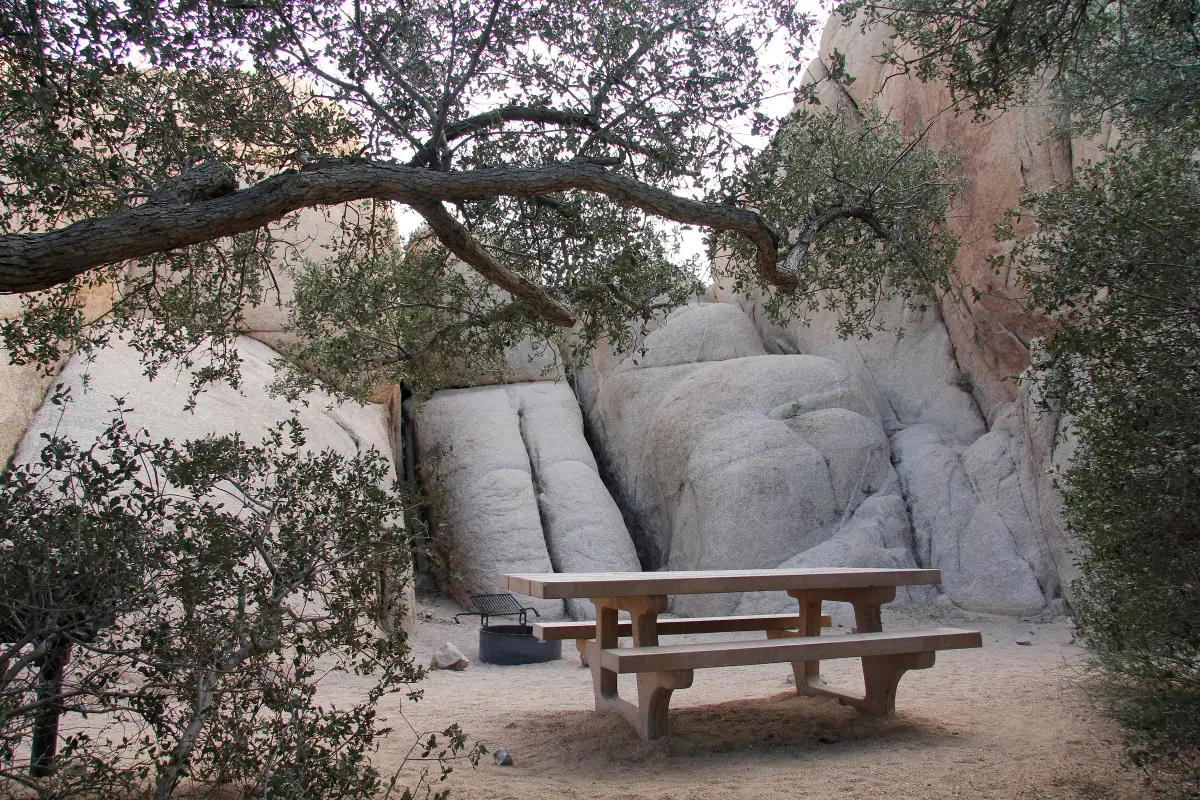
- Shade, surface, slope, and exposure
- Food-storage, pet, generator, fire, and quiet-hour rules
Favor simple, forgiving geography
Look for a level, established tent area that fits the tent footprint, away from obvious drainage channels and not beneath damaged limbs. A nearby toilet is useful, but the site immediately beside it may have foot traffic, light, or odors. Sites at loop intersections can see headlights; waterfront sites can add wind and child-supervision demands.
Photos can help with orientation, but they may be old or shot with a wide lens. Compare the official site map, individual-site notes, and recent operator alerts. If arrival will be late, choose a place with clear access and staffed check-in—or change the schedule so you can set up in daylight.
Match the site to the group
Families may value a short toilet walk and a site away from fast campground traffic. A person with limited mobility may need an even surface and reliable route from parking to tent and restroom. A reactive dog may do better away from a busy path. Light sleepers may want distance from group sites, generators, or a main road.
Do not hide important needs behind ‘we’ll manage.’ Call with specific questions, including whether two tents fit, whether the bear locker accepts your cooler, and whether potable water is currently on. Clear answers before booking prevent costly improvisation.
Keep a backup and a go/no-go rule
Reservations can be canceled, roads can close, water systems can fail, and smoke or storms can change a suitable site. Save the operator’s contact details, cancellation policy, route, and a legal backup. Recheck alerts and the point forecast shortly before leaving.
A sensible first-site test: If you can describe where you will sleep, park, get drinking water, use the toilet, store food, shelter from ordinary weather, and leave if needed, the site is understandable enough to consider.
Compare two plausible sites
Suppose Site A is beside a lake with a beautiful listing photo, while Site B is an interior loop with shade, a level pad, and a shorter walk to the toilet. For a first trip with a toddler, Site B may be the better choice: fewer water-edge supervision demands, less wind exposure, and simpler nighttime bathroom trips. The view is only one attribute, and a forgiving site often creates more time to enjoy it.
Read individual-site notes as constraints rather than marketing. A twenty-foot parking spur may not fit a long vehicle with the hatch open. A six-person maximum says nothing about whether two tents fit the pad. An accessible symbol identifies compliance features but cannot answer whether a particular mobility device can cross loose gravel or whether the table has the required knee clearance. Ask the operator for measurements when a mismatch would end the trip.
Also investigate the campground around the site. A group loop, amphitheater, boat ramp, or generator area changes sound and traffic. A steep road between the site and toilet matters even if both are technically nearby. In fire season, a single access road may affect the group’s comfort with the location. Satellite views can provide context, but only current official notices can confirm closures and restrictions.
A campsite can be legal and still be wrong for current conditions. Do not occupy a low pocket during heavy rain, camp under a visibly damaged tree because it shades the pad, or force a tent beyond the prepared footprint. Staff can sometimes move a party; if not, the right response may be another campground or home. The booking is a plan, not an obligation to accept a hazard.
- Compare toilet route, traffic, shade, and drainage
- Measure the tent footprint before booking
- Ask precise accessibility questions
- Check alerts again on departure day
- Keep one legal alternative that accepts the same equipment
Sources and further reading
Rules and conditions change. Use these references, then confirm details with the land manager or manufacturer responsible for your trip.